


Are You Choosing the Right Sewing Thread!
Thursday, March 05, 2009

For a successful sewing project, many factors have to be considered. One among them is the selection of right sewing thread. sewing thread has to be compatible not only with the fabric but also with the machine settings. Using inappropriate thread can lead to broken needles, torn fabric and sewing machine break downs. However, before knowing how to select the right sewing thread, one must know what are the types of sewing threads that can be used for various sewing projects.

Sewing threads come in various sizes represented in numbers or alphabets. The higher the number, the finer is the thread. Where letters indicate the size, A is finer while D is heavier. Mercerized threads are more smooth due to special finishes given to them. General purpose threads are used on light and medium fabrics while the heavy duty threads are used where the stitches require extra strength like in upholstery projects. Cotton, silk, nylon, polyester and cotton wrapped polyester with approximate size 50 are the general purpose threads. The threads above size 50 are finer, suitable for sheer fabrics. The coarse cotton, polyester, and cotton-wrapped polyester threads having approximate size 40 are considered heavy duty threads appropriate for sewing heavy vinyl, coating or upholstery fabrics.
Right Sized Thread for Different Fabrics
For light weight fabrics such as batiste, chiffon, crepe, etc. a mercerized size 60 thread is good. It can be 100% polyester or cotton wrapped polyester.
For medium weight fabrics like corduroy, flannel, gabardine, gingham, linen, muslin, wool crepe, etc. a mercerized size 50 thread is good. It can be 100% polyester or cotton wrapped polyester.
For medium heavy weight fabrics like bonded wovens, canvas, coating, denim, duck, sailcloth, etc. a mercerized size 40 will do. It can be 100% polyester or cotton wrapped polyester "heavy duty" labeled thread.
For knits such as bonded knits, double knit, jersey, tricot, etc. somewhat fine polyester, nylon or cotton wrapped polyester threads are good.
Tips for Choosing the Right Sewing Thread

Consider the strength of the thread and the purpose it's going to serve.
All-purpose polyester thread works best for most projects done with a sewing machine.
Look for compatibility with the fabric's structure and try to select the one similar in fiber content of the fabric for sewing project.
Match the color of thread with the most dominant color in the fabric. If can't find it, select the one that is one or two shades darker. Never go for lighter shades, they tend to be more visible.
Use cotton thread for fabrics having little or no stretch as the stitches may break if used on a stretchy knit fabric.
Use polyester thread for synthetic or stretchy fabrics.
Use fine cotton or silk thread for very sheer or delicately woven fabrics like lingerie or sheer garments.
When using metallic thread for machine sewing, ensure that the thread is labeled suitable for machine sewing.
For quilting projects or similarly layered projects, use quilting thread which is all-cotton and has a finish that lets the thread to slip more easily through the fabric and batting layers.
Now thread your sewing machine and create amazing projects!
Are You Choosing the Right Sewing Thread!
Thursday, March 05, 2009
For a successful sewing project, many factors have to be considered. One among them is the selection of right sewing thread. sewing thread has to be compatible not only with the fabric but also with the machine settings. Using inappropriate thread can lead to broken needles, torn fabric and sewing machine break downs. However, before knowing how to select the right sewing thread, one must know what are the types of sewing threads that can be used for various sewing projects.
Sewing threads come in various sizes represented in numbers or alphabets. The higher the number, the finer is the thread. Where letters indicate the size, A is finer while D is heavier. Mercerized threads are more smooth due to special finishes given to them. General purpose threads are used on light and medium fabrics while the heavy duty threads are used where the stitches require extra strength like in upholstery projects. Cotton, silk, nylon, polyester and cotton wrapped polyester with approximate size 50 are the general purpose threads. The threads above size 50 are finer, suitable for sheer fabrics. The coarse cotton, polyester, and cotton-wrapped polyester threads having approximate size 40 are considered heavy duty threads appropriate for sewing heavy vinyl, coating or upholstery fabrics.
Right Sized Thread for Different Fabrics
For light weight fabrics such as batiste, chiffon, crepe, etc. a mercerized size 60 thread is good. It can be 100% polyester or cotton wrapped polyester.
For medium weight fabrics like corduroy, flannel, gabardine, gingham, linen, muslin, wool crepe, etc. a mercerized size 50 thread is good. It can be 100% polyester or cotton wrapped polyester.
For medium heavy weight fabrics like bonded wovens, canvas, coating, denim, duck, sailcloth, etc. a mercerized size 40 will do. It can be 100% polyester or cotton wrapped polyester "heavy duty" labeled thread.
For knits such as bonded knits, double knit, jersey, tricot, etc. somewhat fine polyester, nylon or cotton wrapped polyester threads are good.
Tips for Choosing the Right Sewing Thread
Consider the strength of the thread and the purpose it's going to serve.
All-purpose polyester thread works best for most projects done with a sewing machine.
Look for compatibility with the fabric's structure and try to select the one similar in fiber content of the fabric for sewing project.
Match the color of thread with the most dominant color in the fabric. If can't find it, select the one that is one or two shades darker. Never go for lighter shades, they tend to be more visible.
Use cotton thread for fabrics having little or no stretch as the stitches may break if used on a stretchy knit fabric.
Use polyester thread for synthetic or stretchy fabrics.
Use fine cotton or silk thread for very sheer or delicately woven fabrics like lingerie or sheer garments.
When using metallic thread for machine sewing, ensure that the thread is labeled suitable for machine sewing.
For quilting projects or similarly layered projects, use quilting thread which is all-cotton and has a finish that lets the thread to slip more easily through the fabric and batting layers.
Now thread your sewing machine and create amazing projects!
Embroidery Threads – A Comparison of Available Varieties
Tuesday, February 17, 2009

Beauty attracts all. This is the reason why man tries to make everything beautiful. Clothes are no exceptions. Different techniques are used to decorate them. One of the oldest of these techniques is embroidery that never goes obsolete. The most essential and one of the basic needs for embroidery is the embroidery thread. , what are the currently available different types of embroidery threads for making our clothes beautiful!
There is the rayon thread that is sometimes compared with the silk thread due to its sheen. Silk threads are very costly so rayon substitutes it, although not with the same majesty. The silk thread is reserved for luxurious fabrics only. Rayon thread has become the most popular embroidery thread due to its great sheen, good availability, and trouble-free performance. Although, they do not break while high-speed stitching yet very fine threads are not so strong as the polyester threads are.

Polyester threads are fast replacing the rayon threads as they are more economical and durable. They don't fade or shrink. Their sheen fall between that of rayon's and cotton's but this thread stretches more than the cotton thread. Cotton thread, which was not preferred for embroidery in the recent past, has come to take an important place too. The mercerized cotton threads are soft, have enough sheen and perform well due to its good tension adjustment quality. However, it can't be stretched too much and also fades and shrinks easily.
Then there are certain specialty threads like metallic threads, mylar threads and the special- effects threads. Metallic thread has a core wrapped with a metal foil which can be treated with silver alloy, polyester film etc. to make them stronger. However, they need to complement the machine type for a hassle free embroidery experience. Done that, these threads can bring out immense beauty to fabrics.
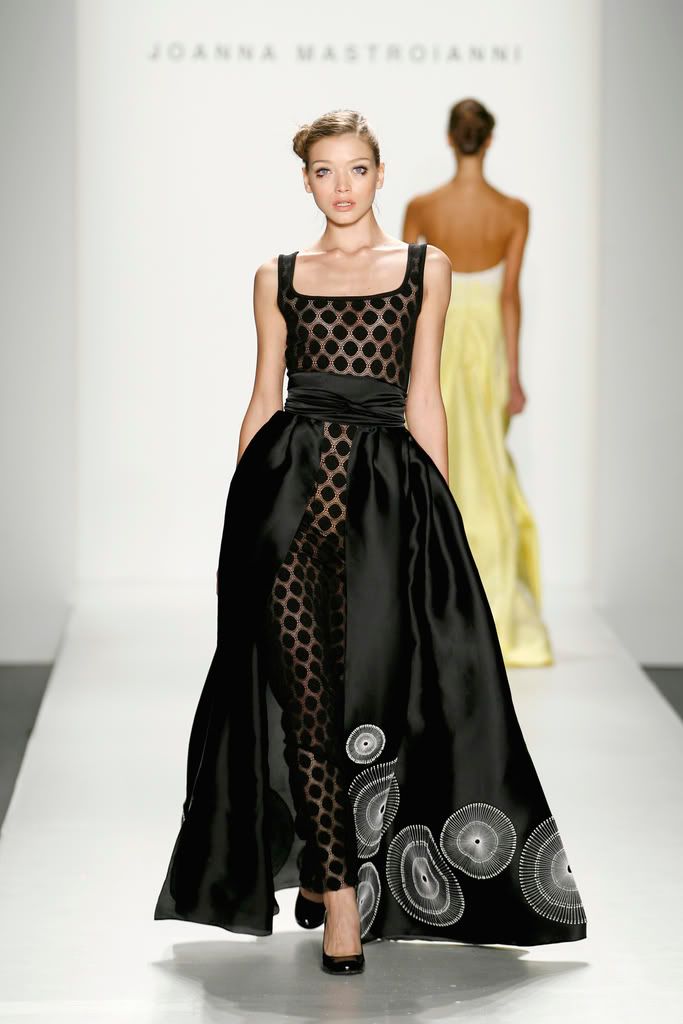
The glittery mylar threads are cut from plies of layered films put together. They have unique color features, sometimes holographic hues, which pick up light and color from surrounding objects and make the embroidery spectacular. Different special effect threads give different character to the embroidery such as crewel-like or fluorescent neon effects. Some of them change their colors when exposed to sunlight, and some others glow in the dark.
That was a little effort to study the various embroidery threads available currently. However, a good embroidery project not only requires right kind of embroidery threads but also right design and fabric.
Embroidery Threads – A Comparison of Available Varieties
Tuesday, February 17, 2009
Beauty attracts all. This is the reason why man tries to make everything beautiful. Clothes are no exceptions. Different techniques are used to decorate them. One of the oldest of these techniques is embroidery that never goes obsolete. The most essential and one of the basic needs for embroidery is the embroidery thread. , what are the currently available different types of embroidery threads for making our clothes beautiful!
There is the rayon thread that is sometimes compared with the silk thread due to its sheen. Silk threads are very costly so rayon substitutes it, although not with the same majesty. The silk thread is reserved for luxurious fabrics only. Rayon thread has become the most popular embroidery thread due to its great sheen, good availability, and trouble-free performance. Although, they do not break while high-speed stitching yet very fine threads are not so strong as the polyester threads are.
Polyester threads are fast replacing the rayon threads as they are more economical and durable. They don't fade or shrink. Their sheen fall between that of rayon's and cotton's but this thread stretches more than the cotton thread. Cotton thread, which was not preferred for embroidery in the recent past, has come to take an important place too. The mercerized cotton threads are soft, have enough sheen and perform well due to its good tension adjustment quality. However, it can't be stretched too much and also fades and shrinks easily.
Then there are certain specialty threads like metallic threads, mylar threads and the special- effects threads. Metallic thread has a core wrapped with a metal foil which can be treated with silver alloy, polyester film etc. to make them stronger. However, they need to complement the machine type for a hassle free embroidery experience. Done that, these threads can bring out immense beauty to fabrics.
The glittery mylar threads are cut from plies of layered films put together. They have unique color features, sometimes holographic hues, which pick up light and color from surrounding objects and make the embroidery spectacular. Different special effect threads give different character to the embroidery such as crewel-like or fluorescent neon effects. Some of them change their colors when exposed to sunlight, and some others glow in the dark.
That was a little effort to study the various embroidery threads available currently. However, a good embroidery project not only requires right kind of embroidery threads but also right design and fabric.

